Optimal Timing for Masonry Repairs
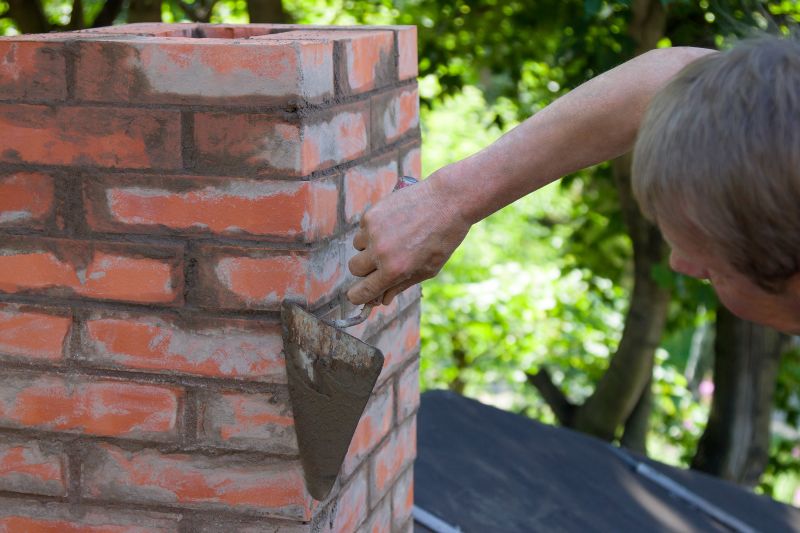
Masonry repairs are most effective during dry weather to ensure proper curing and adhesion.
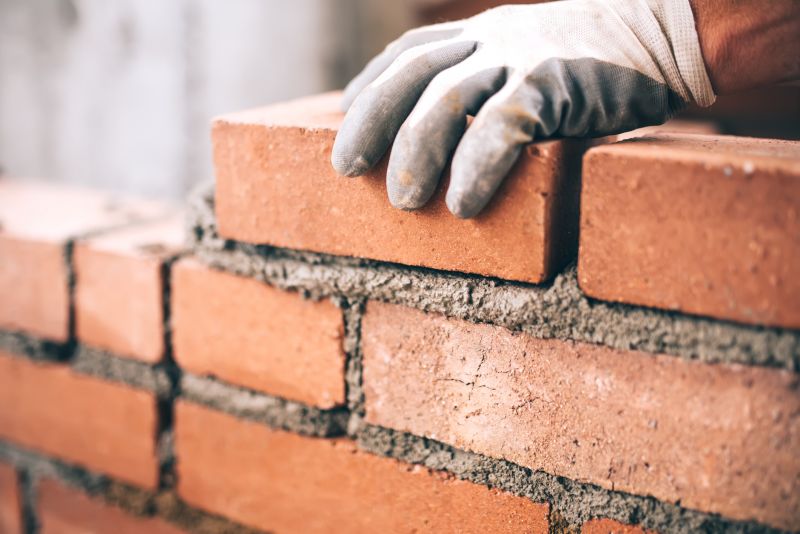
Temperatures between 40°F and 75°F are ideal for masonry work, avoiding freezing or excessive heat.
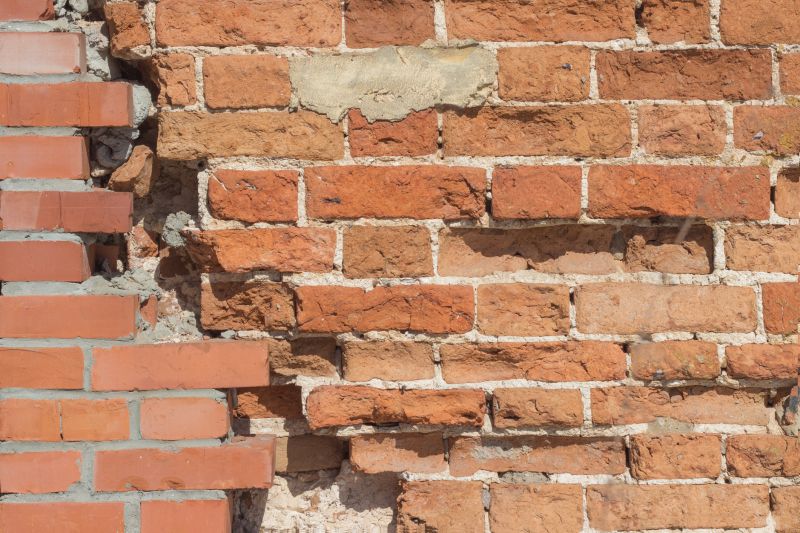
Extreme cold can cause mortar to freeze, while high heat accelerates drying, affecting quality.
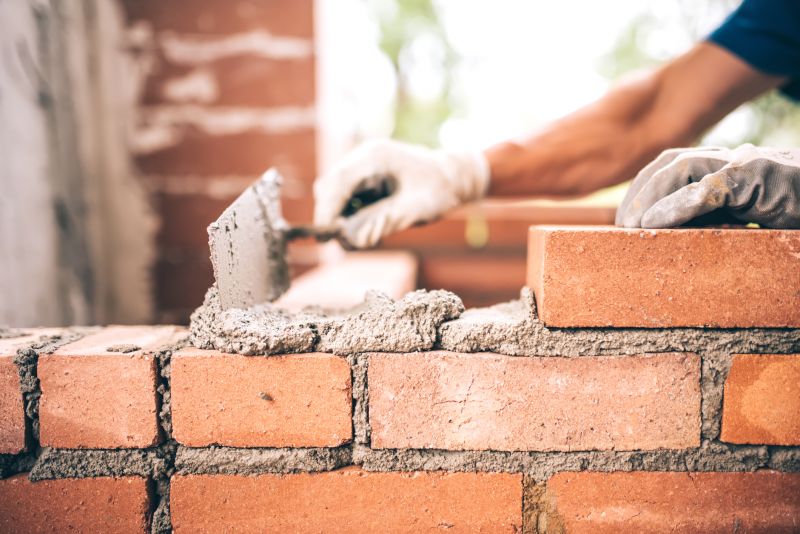
Ways to make Masonry Repairs work in tight or awkward layouts.
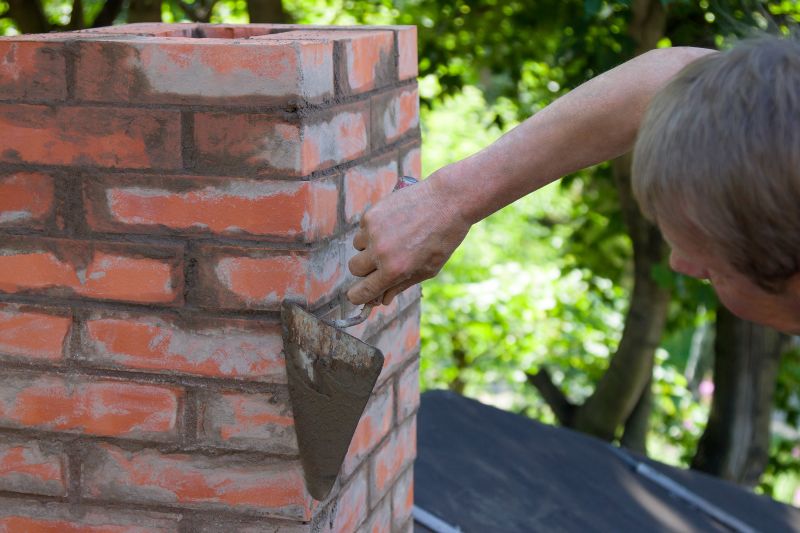
Popular materials for Masonry Repairs and why they hold up over time.
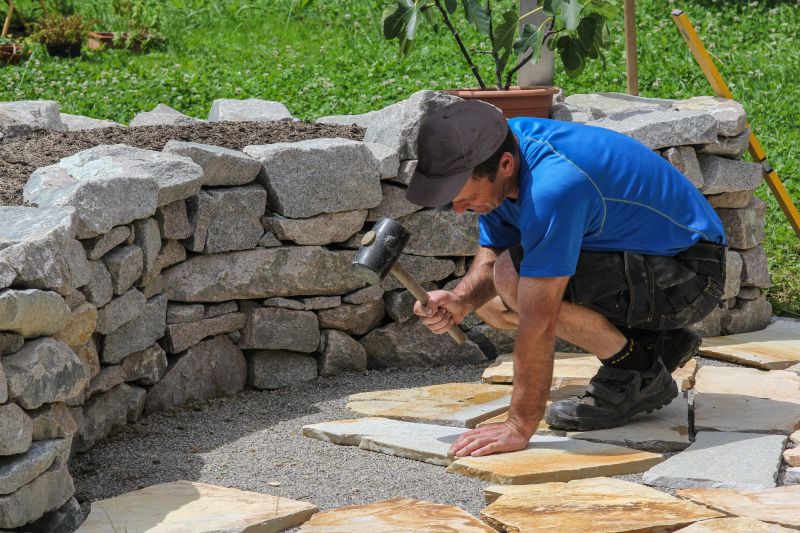
Simple add-ons that improve Masonry Repairs without blowing the budget.
Masonry repairs involve restoring and maintaining brick, stone, and concrete structures. Proper timing ensures the longevity and durability of repairs, reducing the need for future work. Seasonal considerations are crucial, as weather conditions directly impact the effectiveness of mortar and other materials used in repairs.
Weather influences the curing process of mortar and concrete, affecting the strength and appearance of repairs.
Spring and fall are generally preferred for masonry repairs due to moderate temperatures and lower humidity.
Cracks, loose bricks, and water infiltration indicate repairs should be scheduled promptly during suitable weather.
Postponing repairs can lead to further deterioration, increasing repair costs and structural risks.
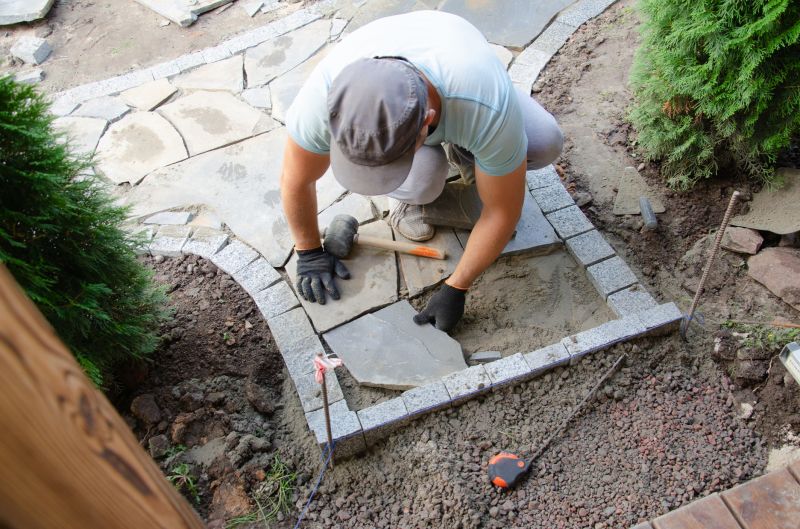
Ideal for moderate temperatures and minimal precipitation.
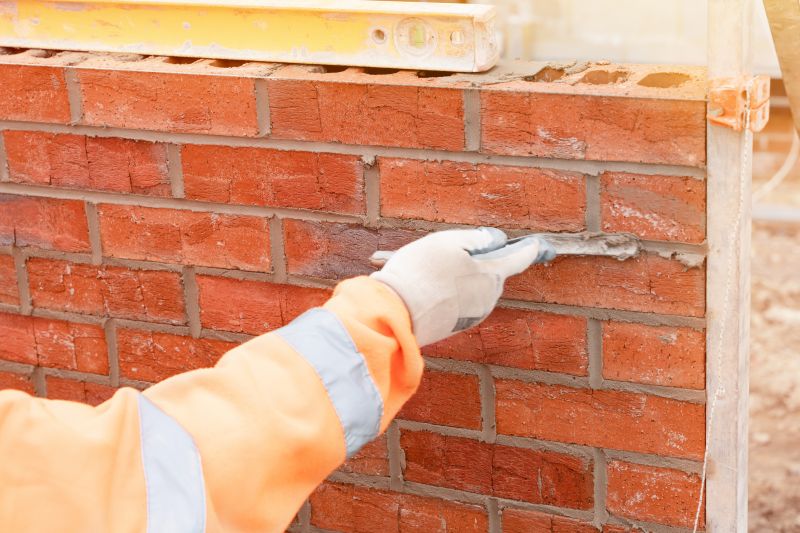
Provides suitable conditions for curing before winter.
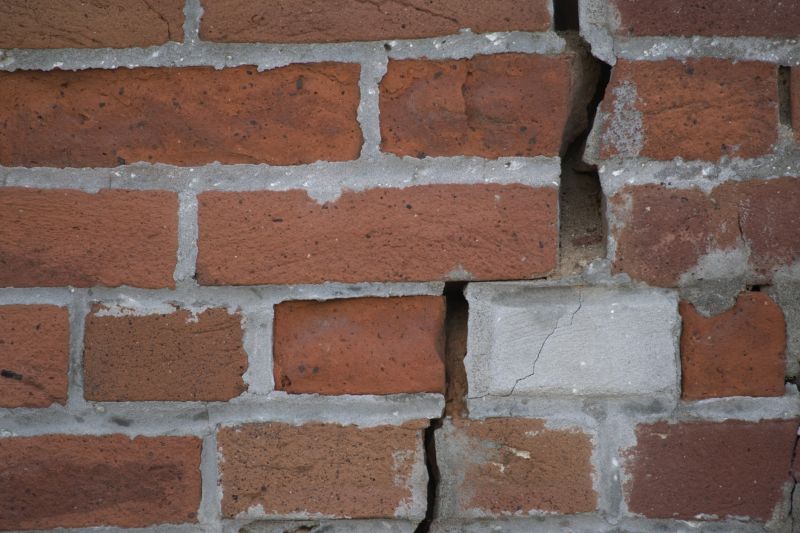
Cold temperatures can cause mortar to freeze, compromising strength.
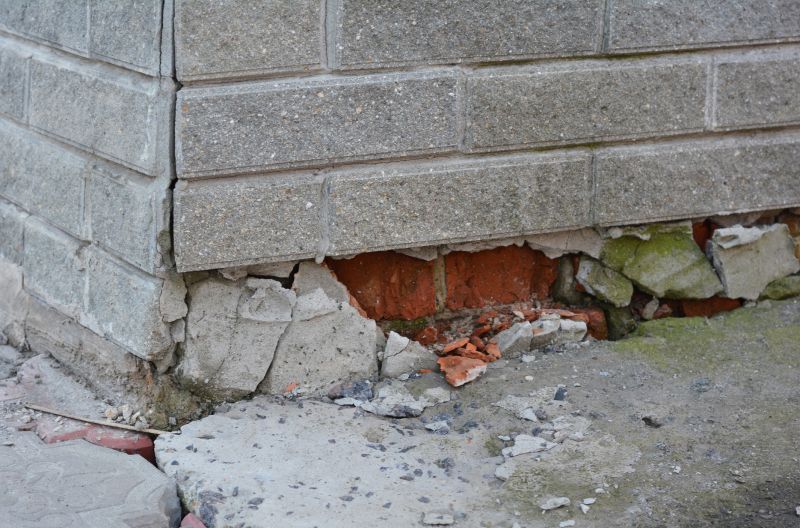
High heat can cause rapid drying, leading to cracks and weak bonds.
| Season | Recommended Activities |
|---|---|
| Spring | Begin repairs after the last frost; ideal for new mortar application. |
| Summer | Limit repairs to early morning or late evening to avoid heat stress. |
| Fall | Schedule repairs early to allow proper curing before winter. |
| Winter | Generally avoid repairs unless climate is mild and conditions are controlled. |
| Post-winter | Assess damage and perform necessary repairs as weather permits. |
Masonry repairs are essential for maintaining structural integrity and aesthetic appeal. Proper timing, based on seasonal weather patterns, enhances the effectiveness of repairs and helps prevent future issues. Regular inspections can identify early signs of deterioration, enabling timely intervention.
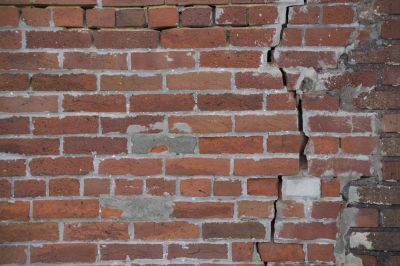
Indicates need for repair, best addressed during suitable weather conditions.
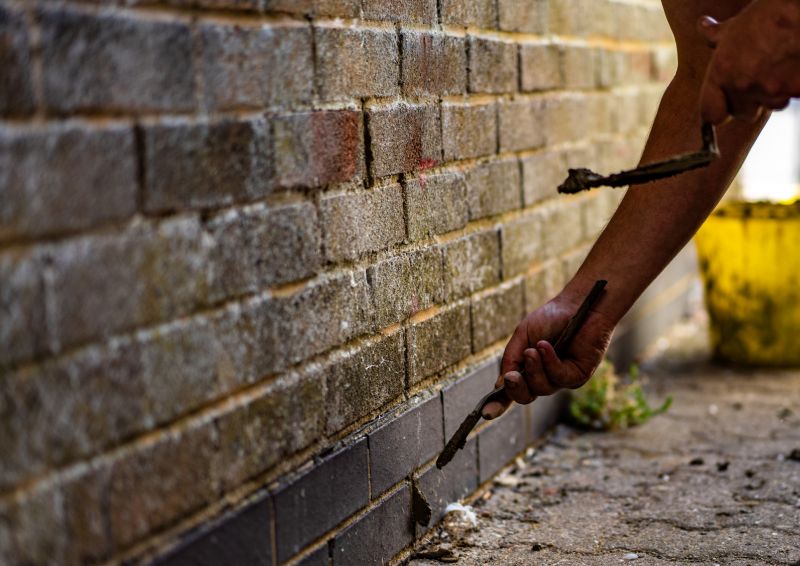
Best performed in dry, moderate temperatures for optimal mortar bonding.
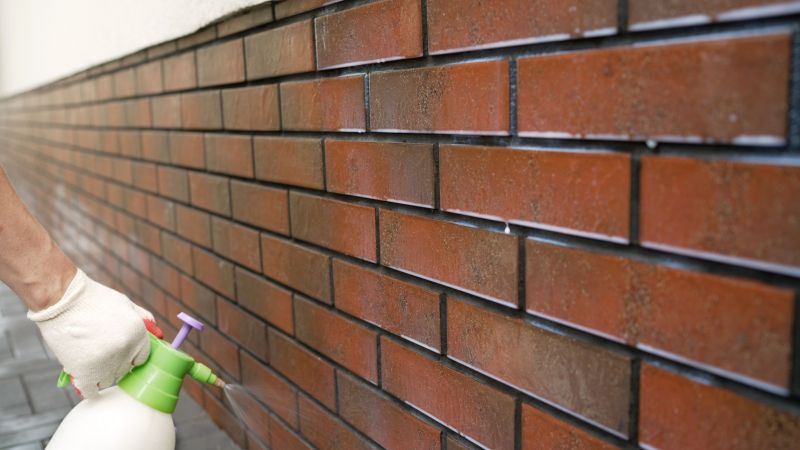
Timing repairs before winter prevents further water infiltration.
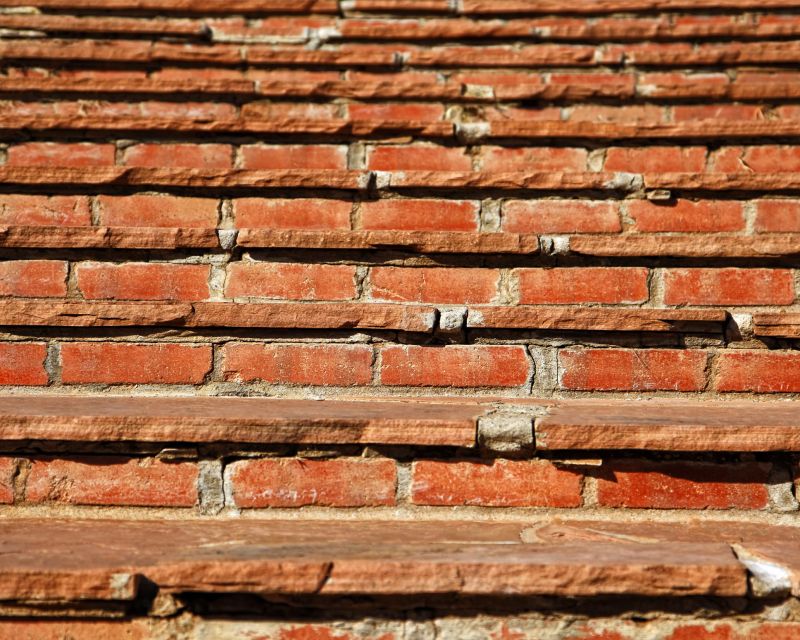
Conducted in favorable weather to accurately evaluate damage.
Interested in masonry repairs? Filling out the contact form can provide additional guidance on scheduling and scope of work, ensuring repairs are performed at the most suitable times for durability and quality.